UK Karaoke Licensing for Commercial Venues in 2026
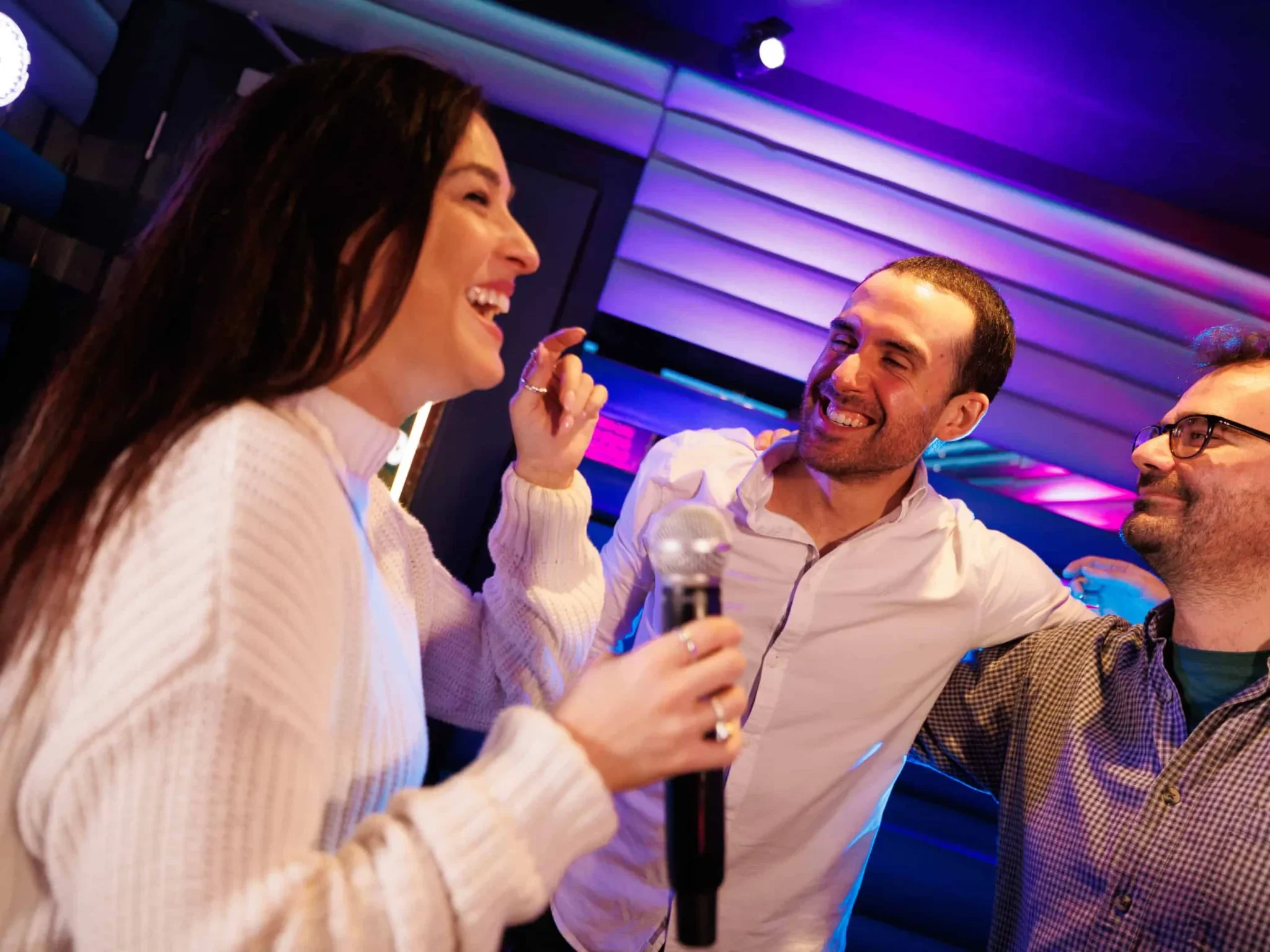
Karaoke nights fill seats and sell drinks. They can turn a quiet Tuesday into the busiest night of the week for pubs, bars, and restaurants across the UK.
But before any venue plugs in a microphone, there is one thing to sort first: commercial karaoke licensing in the UK for bars and pubs. Get it right and karaoke becomes one of the most profitable nights in your calendar. Get it wrong and you could face a hefty backdated bill or a copyright claim.
At Lucky Voice for Business, we supply karaoke equipment, private karaoke rooms software, and hosting solutions to pubs, bars, hotels, restaurants, and nightclubs across the UK. Music licensing questions come up in almost every conversation we have with venue owners, whether they are planning a weekly karaoke night, a corporate event, or a one-off party.
This guide covers exactly what you need to know in 2026, from premises licence exemptions to common mistakes, and how to plan a karaoke night that stays firmly on the right side of the law.
What Licence Do You Need to Run Karaoke at Your Venue?
In the UK, any commercial venue hosting karaoke must hold TheMusicLicence from PPL PRS Ltd. This is the single licence covering both PRS for Music and PPL rights, and it applies to any business that wants to perform music, play recorded music, or run karaoke tracks for customers.
This applies whether you run karaoke once a month or every single night, and whether your venue is a small pub, a bustling bar, a restaurant offering karaoke dining, or a full-scale karaoke venue.
Karaoke involves the public performance of copyrighted music. That is exactly what TheMusicLicence exists to cover, alongside background music, recorded music played through digital devices, and radio played in a public space.
Songwriters, composers, and recording artists are the copyright holders and rights holders behind every song selection on a karaoke playlist. Any business making commercial use of their music, whether for live performances or playing recorded music, needs permission from those rights holders first.
Karaoke is legally classed as "live music" for licensing exemption purposes. This matters later when we talk about premises licensing, but it does not remove the need for TheMusicLicence to cover the karaoke songs themselves.
PPL PRS is the single body that issues TheMusicLicence, formed by two of the UK's main performing rights organizations:
PRS for Music represents songwriters and composers, covering the right to publish music and perform it publicly
PPL represents performers and record labels, covering the recorded music and public performing rights in each track
If your venue already holds a general music licence for background music or radio, check that your tariff covers karaoke specifically. Karaoke often falls under a separate live music usage category, and most venues discover this is one of the most common mistakes when buying karaoke systems or setting up a karaoke business for the first time.
Worth knowing too: karaoke backing-track videos with on-screen visuals beyond lyrics may need separate film authorisation. Lucky Voice for Business commercial karaoke software, uses lyrics-only display formats on TV screens to keep things simple and fully covered.
TheMusicLicence covers music usage and copyright. It is entirely separate from the premises licence your local council issues for entertainment, alcohol sales, and late opening hours.
Why Karaoke Counts as a Licensable Activity
Performing copyrighted music publicly counts as a public performance under UK copyright law, even through a backing track rather than a live band or live performances from a band.
Playing karaoke tracks from YouTube, TV, or personal karaoke discs in a commercial setting is not covered under standard personal-use licensing.
That distinction catches a surprising number of venues off guard. Whether the vocals come from a paying customer, employees at a staff party, or a professional singer, the song still belongs to its artists and copyright holders, and they are owed royalties for its commercial use.
Difference Between TheMusicLicence and a Premises Licence
TheMusicLicence differs from a council-issued premises licence in what each one actually authorises. Understanding this difference is central to getting your entertainment venue set up correctly.
TheMusicLicence commercial karaoke licence covers the copyright and public performing rights in the songs themselves
A premises licence authorises the licensable activities at your venue, such as selling alcohol, running regulated entertainment, or staying open late
| Aspect | TheMusicLicence (PPL PRS) | Premises Licence (Local Council) |
|---|---|---|
| Purpose | Covers music licensing and copyright for songs | Authorises licensable activities (alcohol sale, regulated entertainment, late hours) |
| Issued by | PPL PRS Ltd | Local licensing authority |
| Required for karaoke | Always, if playing copyrighted music | Only if entertainment falls outside Live Music Act exemptions |
| Cost basis | Venue size, nights of use, audience | Set by council, varies by activity and hours |
The vast majority of venues need both licences to operate karaoke legally. The good news is that the Live Music Act 2012 removes the added premises licence conditions for most karaoke nights.
When Karaoke Is Exempt from Extra Premises Licensing (Live Music Act 2012)
Under the Live Music Act 2012, karaoke is legally classed as live music. Most venues do not need additional premises licence conditions for karaoke nights if they meet specific criteria.
This is one of the most misunderstood parts of UK entertainment licensing. It is genuinely good news for pubs, bars, and community venues running regular karaoke nights.
A venue's karaoke night is exempt from extra premises licence conditions when:
The premises already holds a premises licence or club certificate permitting on-sales of alcohol
Karaoke takes place between 8am and 11pm
The audience is no more than 500 people
The premises remains open for the sale of alcohol during the performance
This exemption sits under Section 177A of the Licensing Act 2003, introduced through the Live Music Act 2012. It is further explained in the Home Office Section 182 Guidance.
One thing to be clear on: this exemption removes the need for extra premises licence conditions, not the requirement to hold TheMusicLicence. Separate licences apply to separate obligations, and the copyright licence from PPL PRS still applies regardless of the exemption.
There is one more rule to keep in mind. Noise nuisance rules under the Environmental Protection Act 1990 still apply, even when your karaoke night ticks every exemption box.
Loud singing spilling into a residential area at 10.45pm can still bring a complaint. Good lighting, sound insulation, and sensible volume levels all help a karaoke room or dining area operate smoothly without upsetting neighbours.
Audience Limits, Hours and Alcohol Licensing Conditions
The rules are simple once broken down:
A 60-capacity local pub running karaoke on a Friday night, bar open, doors shut by 11pm, sits comfortably within the exemption
A 600-capacity nightclub hosting a late-night karaoke event exceeds the 500-person cap and falls outside the exemption entirely
Capacity and closing time are the two numbers to keep front of mind for any venue planning to establish a regular karaoke night.
What Happens Outside These Hours or Audience Limits
Karaoke running past 11pm needs a variation to the premises licence to cover regulated entertainment during those hours.
Councils treat late-night singing differently to daytime sessions, largely due to noise complaints and public order concerns. Any venue planning a midnight karaoke send-off, whether for private karaoke parties, corporate events, or community group bookings, should apply for the variation well in advance.
How Much Does a Karaoke Music Licence Cost in 2026?
TheMusicLicence pricing for UK venues in 2026 is calculated using tariffs based on floor area, live music use, and per-person rates. Live music tariffs start around £359.95 per year, and most venues pay this as an annual fee rather than monthly fees.
Costs vary depending on how often you run karaoke, your venue size, and how many people typically attend.
As a rough guide, the tariffs break down like this:
PRS tariff: around £246.80 a year
PPL tariff: around £204.19 a year
Combined small venue cost: roughly £450.99 plus VAT for a modest pub setup
Larger events: charged at around 14p per person on top of the base tariff
Running karaoke without a licence does not make the fee disappear. Unlicensed use triggers a 50% backdated surcharge on top of whatever you owed from day one.
Example Cost Calculation for a Mid-Size Pub
Picture a mid-size pub running weekly karaoke nights for a crowd of around 80 people.
PRS tariff: roughly £246.80
PPL tariff: around £204.19
Base annual cost: near £450.99 plus VAT
Add a small per-person supplement for busier weeks, and most pubs land comfortably under £600 a year. That is a modest cost against the extra food and bar takings karaoke nights typically bring in.
What Happens If a Venue Runs Karaoke Without a Licence?
Operating karaoke nights without TheMusicLicence is a copyright infringement in the UK. It exposes venues to legal claims for damages and a 50% backdated surcharge on unpaid music licence fees.
This is not a hypothetical risk. PPL PRS actively monitors unlicensed venues and pursues both the surcharge and, where needed, civil claims for damages under the Copyright Designs and Patents Act 1988.
The financial penalty stacks up fast:
You owe the backdated fees for however long you were running karaoke unlicensed
A 50% surcharge applies on top of those backdated fees
A separate damages claim can follow if rights holders pursue it further
Local councils and trading standards can get involved if breaches overlap with other regulatory issues
The smarter route is getting the licence sorted before the first song plays. Staff training on licensing basics, and working with an established karaoke provider, both make this step far easier to manage.
Do You Still Need a Licence If You Hire a Karaoke Company?
Hiring a professional karaoke company does not remove the venue's responsibility to hold TheMusicLicence. The licence obligation sits with the venue hosting the public performance, not the karaoke company .
This surprises a lot of venue owners, who assume the entertainer or hosting company carries the licence on their behalf.
The liability sits with you as the business operating the venue, not with the karaoke host or mobile DJ running the equipment .
That is exactly why working with a reputable, established provider matters. At Lucky Voice for Business, we always talk licensing through with venues before setting up hosting or software for karaoke rooms, private karaoke rooms, or full karaoke venue installs. A trustworthy karaoke company will flag the licensing requirement upfront rather than leaving you to find out the hard way.
Getting Set Up the Right Way
Licensing sounds like a lot to juggle. It really boils down to two things:
TheMusicLicence for the songs
Checking whether your premises licence needs anything extra for your hours and crowd size
Once that groundwork is sorted, running a brilliant karaoke night is the fun part, whatever the occasion, from a regular pub singalong to a corporate event or private party.
That is where Lucky Voice for Business comes in. We supply karaoke software, hosting, and equipment to pubs, bars, hotels, restaurants, and entertainment venues across the UK, and we make sure licensing is one less thing on your plate.
If you are ready to bring proper, fully licensed karaoke nights to your venue, contact our team and we will help you plan and establish the right setup for your location, group sizes, and business goals.
Contact Us To Get Started
Lucky Voice Karaoke for Business
Transform your venue with professional karaoke solutions.
From software to hardware – everything you need for an unforgettable karaoke experience!
Our Solutions
Why Choose Us
- 20 years of know-how in karaoke
- Personal support with your own dedicated Account Manager
- Tailored solutions with personalised setup guidance
- Industry-leading technology that brings joy and keeps customers coming back