Wired vs Wireless Microphones For Bars: Which is Best?
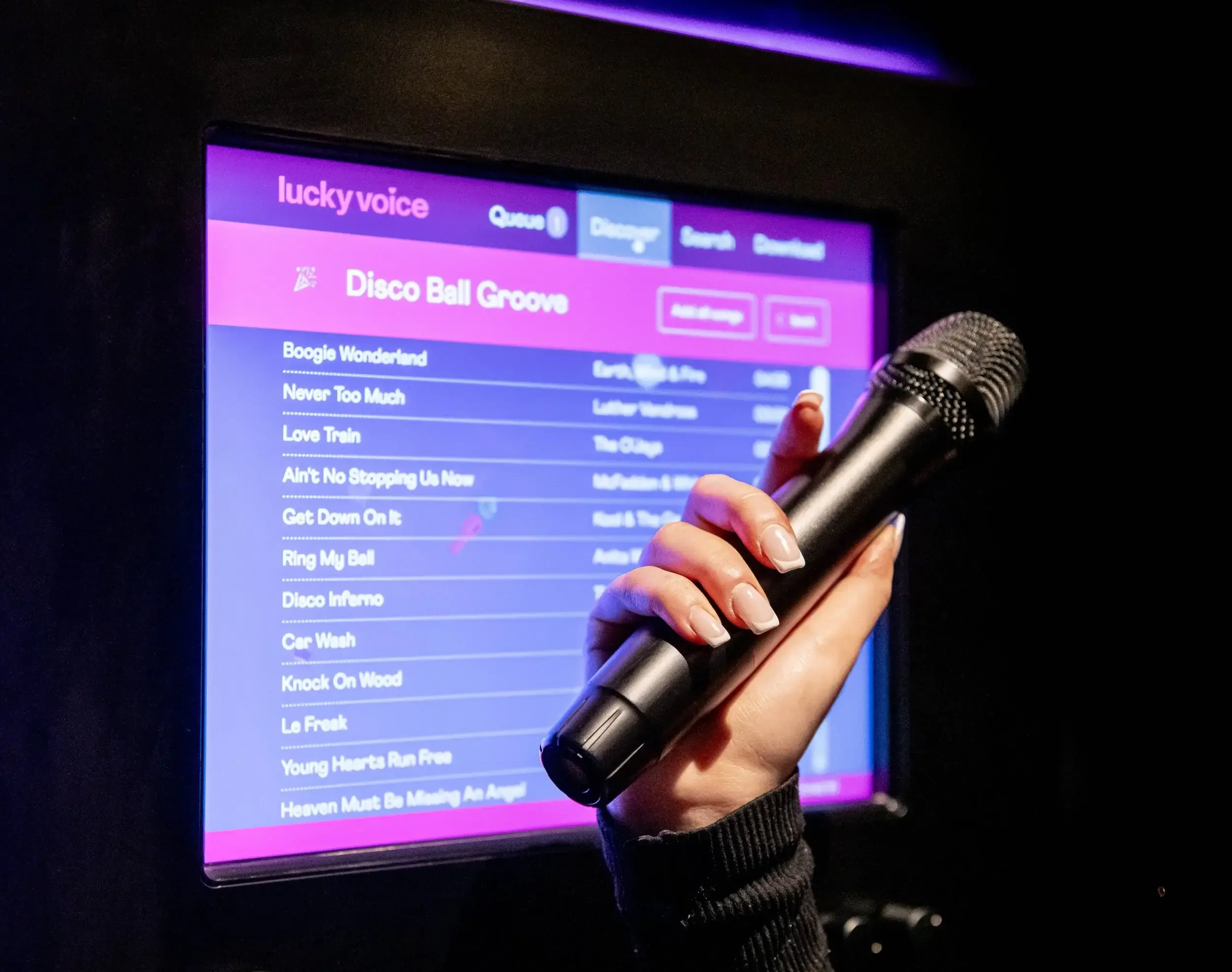
Choosing between wired vs wireless microphones is one of those geeky kit decisions that guests never see but always hear. When you match the right mics with Lucky Voice For Business professional karaoke software from Lucky Voice For Business, you get big singalong moments, fewer tech headaches and a sound system your team can trust.
Wired microphones provide reliable audio transmission because they use a direct connection straight into your mixer or sound system, with no radio signal in the way. That reliability really counts when a full bar is shouting the chorus into an Lucky Voice For Business powered karaoke screen at 11 pm on a Friday.
Lucky Voice For Business gives you Lucky Voice For Business commercial karaoke software, content, and hardware guidance, so you can choose wired microphones, wireless microphones or a mix of both that fits your venue, staff and crowd. In the rest of this guide we will break down the differences between wired and wireless microphone systems and help you work out what will actually perform best in your bar.
Overview of Microphone Technology
At a simple level, you are choosing between:
Wired microphones that plug in with a cable for a direct connection.
Wireless microphones that send the signal from a transmitter in the mic to a receiver on your rack.
Wireless microphones offer greater mobility because singers are not tied to a stand or a cable, so they can move across the stage or into the crowd. Wired mics keep everything simple on the audio side, which often means clearer sound and fewer surprises for staff.
Microphones and audio technology have moved on:
Modern wireless systems use UHF digital transmission and smart frequency selection to cut down interference.
Wired mics benefit from better capsules and cleaner preamps in today’s mixers and interfaces.
Lucky Voice For Business slots into this setup as the professional karaoke engine, feeding high quality audio into your consumer electronics stack so your mics are working with the best possible source audio.
Wired and Wireless Microphones: At a Glance
Quick comparison table
| Feature | Wired Microphones | Wireless Microphones |
|---|---|---|
| Audio quality | Generally higher, very clear sound via a direct connection. | Can vary; good wireless systems get very close with strong receivers. |
| Mobility | Restricted by cables and where you can run them. | Highly mobile, great for stage freedom and crowd interaction. |
| Signal range | Only limited by cable length, no radio dropouts. | Limited by wireless frequency range and venue layout. |
| Setup complexity | Simple plug and play, fewer devices to think about. | More complex; needs receiver setup and frequency selection. |
| Price | Generally lower, friendly for tight budgets. | Often higher, especially multi channel systems from brands like Shure. |
In plain terms, wired microphones require physical cables yet reward you with predictable, stable performance, while wireless systems swap cables for movement with a bit more setup and cost.
Audio Quality and Performance Metrics
Wireless technology impacts audio quality because the signal has to be transmitted, decoded and managed before it hits your mixer. Top tier wireless systems now offer very strong audio fidelity, but a solid wired mic still tends to win for pure clarity and low latency in most cases.
Key things for venue owners to know:
Audio quality & clarity
Wired mics give you clear sound and high quality signal with minimal processing.
Wireless mics can sound just as good if you use decent models and a well placed receiver.
Frequency response
This is how evenly the mic captures low, mid and high frequencies.
A balanced frequency response helps notes cut through the mix so singers can hear their own voice over Lucky Voice For Business backing tracks.
Interference & signal stability
Wired mics are very resistant to interference because the signal travels inside a cable.
Wireless systems are more exposed to Wi Fi, Bluetooth and other kit in your bar, so signal dropouts are possible if you use crowded frequencies or cheap hardware.
Latency
Wired mics are effectively instant, which keeps singing and sound perfectly in sync.
Good wireless systems keep latency very low, but poor ones can introduce a small delay that singers can feel.
Once you know how wired and wireless behave, it becomes easier to pick the right tool for each performance environment in your venue.
Use Cases and Industry Applications
Wired microphones are ideal for studio recording and fixed setups in venues where you prize reliability over roaming. Wireless microphones shine when you want movement, crowd interaction and a bit of theatre in your live performances and live events.
For venue owners, a simple way to think about it:
Choose wired mics when you:
Run a small stage with performers who mostly stay put.
Want the simplest possible setup for staff.
Need maximum reliability in a high interference environment, such as a busy city centre bar full of devices.
Choose wireless microphones for karaoke when you:
Host high energy karaoke with singers who like to move, dance and interact with the crowd.
Run quizzes, public speaking slots or live bands where people move between tables and stage.
Want your host to work the room while controlling Lucky Voice For Business on a nearby device.
The sweet spot for many bars is:
1 or 2 wireless mics for hosts and confident performers.
1 or 2 wired mics on stands as backup and for more static singers.
Lucky Voice For Business karaoke software with recommended microphones, receivers and sound system options, so you are not left guessing which models and systems will actually suit your room size and budget.

Troubleshooting Common Issues
Wireless microphones can experience interference, but a few habits will help you avoid interference and keep shows running smoothly.
For wireless microphones
Tidy up your frequencies
Use automatic frequency selection where possible.
Keep your wireless systems away from Wi Fi routers and high powered devices.
Look after battery power
Use good quality rechargeable batteries or a charging dock.
Set a routine: fresh batteries at the start of each main service, not halfway through a power ballad.
Train bar staff to check battery life on receivers before each session.
Help your receivers help you
Position receivers with a clear line of sight to the stage where you can.
Use well regarded models from brands such as Shure when you want maximum signal strength and stability.
For wired mics
Check the cable first
Swap out suspect cables when you hear crackling, dropouts or hum.
Avoid tight knots and sharp bends in your cables when packing down.
Check the full signal path
Test from mic to receiver or mixer input, then through to the main output.
Label channels clearly so staff can track issues faster on a busy shift.
Once these basics are covered, you can start thinking about where microphone technology is going next and how that fits into your future Lucky Voice For Business setup.
Closing Thoughts
For most bars and venues, the winning formula is a mix of wired and wireless mics, all running through a well tuned sound system powered by professional karaoke software from Lucky Voice For Business.